Product
Banana
Send An Enquiry
Banana
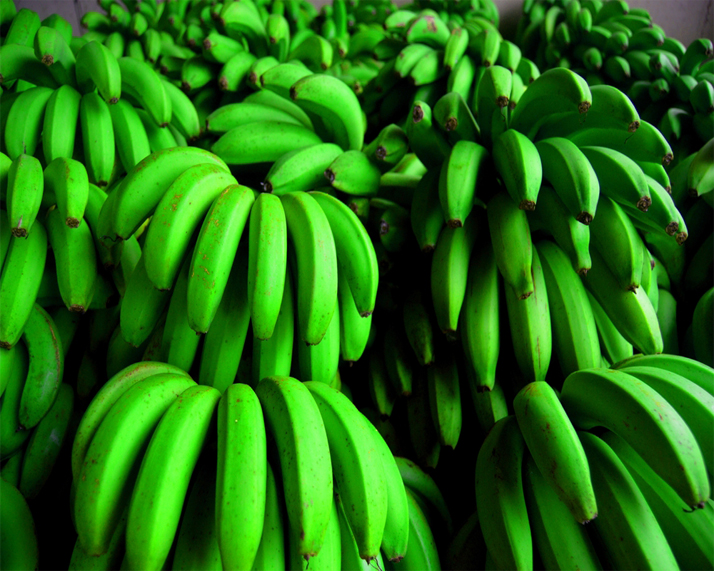
Banana (Musa species) is a widely consumed tropical fruit known for its soft texture, natural sweetness, and high energy value. It grows on large herbaceous plants rather than trees and is cultivated in warm climates around the world. Nutritionally, bananas are rich in carbohydrates, especially natural sugars like glucose, fructose, and sucrose, making them an excellent quick source of energy. They are also a good source of dietary fiber, particularly pectin, which supports digestion and helps regulate bowel movements. Bananas provide essential vitamins such as vitamin B6, which aids brain function and red blood cell production, and vitamin C, which supports immunity.
They are especially valued for their high potassium content, a mineral crucial for maintaining proper heart function, nerve signaling, and muscle contraction, as well as for regulating blood pressure. In addition, bananas contain antioxidants like dopamine and catechins that help reduce oxidative stress. Depending on their ripeness, bananas can aid in digestion, help manage diarrhea, support weight management, and promote gut health. Beyond nutrition, bananas are used in traditional medicine and various food products, making them an important fruit both economically and health-wise.
Health Benefits of Banana
Provides instant energy due to natural sugars
Aids digestion with dietary fiber and pectin
Helps maintain healthy bowel movements and prevent constipation
Supports brain function and mood through vitamin B6
Promotes weight management by increasing fullness
Contributes to overall gut health and digestive balance