Product
Onion
Send An Enquiry
Onion
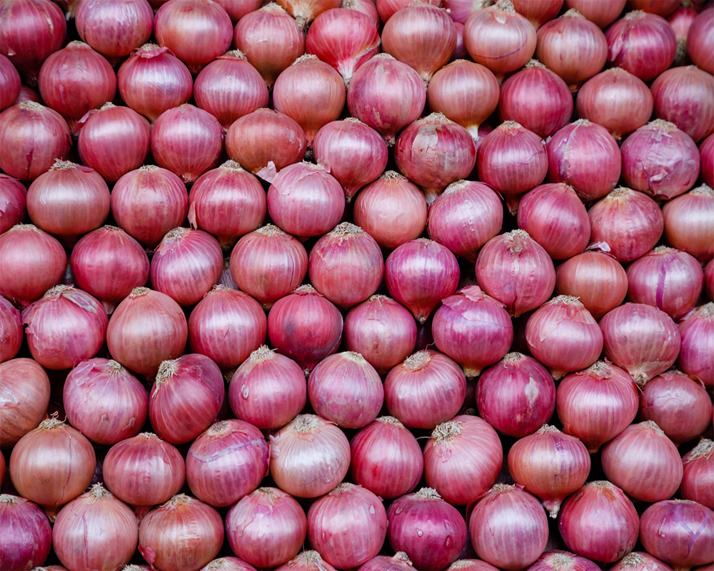
Onion (Allium cepa) is a bulbous vegetable cultivated globally and regarded as a fundamental ingredient in many culinary traditions due to its distinctive flavor, aroma, and versatility. Botanically, it belongs to the Amaryllidaceae family and grows underground as a layered bulb that stores nutrients for the plant. Onions contain sulfur-containing compounds, such as allicin, which are responsible for their pungent smell and eye-watering effect and also contribute to their antibacterial and antioxidant properties. Nutritionally, onions are low in calories but rich in dietary fiber, vitamin C, vitamin B6, folate, and minerals like potassium and manganese.
They also contain flavonoids such as quercetin, which have been linked to reduced inflammation, improved heart health, better blood sugar control, and potential cancer-fighting effects. Onions can be consumed raw, sautéed, roasted, caramelized, or pickled, with their flavor ranging from sharp and spicy to sweet depending on the variety and cooking method. Beyond culinary use, onions have been used in traditional medicine for centuries to support immunity, aid digestion, relieve respiratory issues, and promote overall health.
Health Benefits of Onion
Rich in antioxidants that help protect the body from oxidative stress
Supports heart health by helping reduce cholesterol and blood pressure
Helps regulate blood sugar levels, beneficial for people with diabetes
Promotes bone health by improving bone density
Has antibacterial properties that help fight infections
May reduce the risk of certain cancers due to flavonoids like quercetin