Product
Pomegranate
Send An Enquiry
Pomegranate
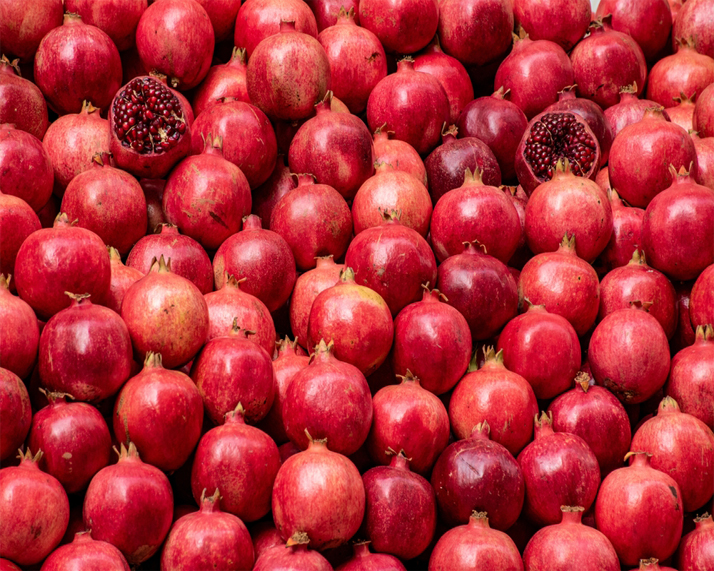
The pomegranate (Punica granatum) is a fruit-bearing shrub or small tree that belongs to the Lythraceae family and is native to the region extending from modern-day Iran to northern India. It has been cultivated for thousands of years throughout the Mediterranean, the Middle East, and parts of Asia due to its rich nutritional and medicinal properties. The fruit is characterized by its round shape, thick reddish skin, and clusters of juicy seeds called arils, which are encased in a bitter white pith. Pomegranates are highly valued for their exceptional antioxidant content, particularly polyphenols such as punicalagins and anthocyanins, which contribute to anti-inflammatory and cardioprotective effects. They are also a rich source of vitamin C, potassium, fiber, and other micronutrients.
Historically, pomegranates have held cultural and religious significance, symbolizing fertility, abundance, and prosperity in many traditions. In addition to being consumed fresh, their juice, extracts, and peel are widely used in culinary applications, traditional medicine, and modern nutraceuticals. Recent research has highlighted potential benefits in lowering blood pressure, improving lipid profiles, supporting digestive health, and even exhibiting anti-cancer and anti-viral properties. The pomegranate tree is hardy, drought-tolerant, and thrives in subtropical to tropical climates, making it both an economically and nutritionally important fruit crop worldwide.
Health Benefits of Pomegranate
Heart Health
Anti-Inflammatory Effects
Cancer Prevention Potential
Supports Digestive Health
Skin Health
Weight Management